
What testing methods do flexible printed circuit manufacturers use?
flexible printed circuit manufacturers use
Flexible printed circuit (FPC) manufacturers rely on a variety of testing methods to ensure the quality, reliability, and performance of their products. Since FPCs are used in critical applications across industries like automotive, medical devices, and consumer electronics, rigorous testing is essential to meet industry standards and client expectations. These testing methods focus on verifying the electrical, mechanical, and environmental durability of the circuits, ensuring they function as intended in real-world conditions.
One of the most commonly used testing methods is electrical testing. This process involves checking the continuity and isolation of the circuits to verify that the electrical pathways are functioning correctly. Continuity testing ensures that all conductive paths are complete, while isolation testing checks for unwanted connections or shorts between different circuits. Manufacturers use automated test equipment (ATE) to perform these tests quickly and accurately, even for complex multi-layer FPC designs. This helps identify issues such as open circuits or short circuits early in the production process, preventing defective products from reaching customers.
Another critical testing method is thermal testing, which assesses the flexible printed circuit manufacturers ability to withstand high and low temperatures. Flexible printed circuits often operate in environments where temperature fluctuations are common, such as automotive engines or aerospace systems. During thermal testing, circuits are exposed to extreme temperatures to evaluate their performance under stress. Manufacturers conduct thermal cycling tests, where the FPC is repeatedly exposed to high and low temperatures, simulating real-world operating conditions. These tests help identify potential failures like delamination, cracking, or changes in electrical resistance caused by thermal expansion and contraction.
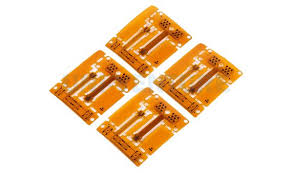
What testing methods do flexible printed circuit manufacturers use?
Mechanical testing is also an integral part of the FPC manufacturing process. Given the flexible nature of these circuits, they must endure bending, folding, and twisting without losing functionality. One common mechanical test is the bend test, which repeatedly bends the circuit to evaluate its durability and flexibility. Another is the tensile test, which measures the circuit’s resistance to stretching or pulling forces. These tests ensure that the FPC can maintain its structural integrity and electrical performance even when subjected to mechanical stress during installation or operation.
In addition to electrical and mechanical tests, manufacturers often conduct environmental testing to evaluate the circuit’s resistance to external factors such as moisture, humidity, and chemicals. FPCs used in harsh environments, such as industrial machinery or medical devices, must be resistant to corrosion and other environmental damage. Moisture and humidity tests involve exposing the circuits to high humidity levels to check for potential issues like corrosion or changes in conductivity. Some manufacturers also perform chemical resistance tests to ensure the FPC can withstand exposure to oils, solvents, or cleaning agents without degrading.
Lastly, manufacturers may use X-ray and optical inspection techniques to verify the physical integrity of the FPC. X-ray inspection is particularly useful for identifying hidden defects, such as voids or misalignments in multi-layer circuits. Automated Optical Inspection (AOI) systems use high-resolution cameras to detect surface defects, such as scratches, misaligned components, or incomplete solder joints. These non-destructive methods provide detailed insights into the FPC’s physical and structural properties, ensuring quality control without damaging the product.
In conclusion, flexible printed circuit manufacturers employ a wide range of testing methods, including electrical, thermal, mechanical, and environmental tests, to ensure their products meet rigorous quality standards. These tests help identify and address potential issues during the manufacturing process, ensuring the circuits perform reliably in their intended applications. By leveraging advanced testing technologies, manufacturers can deliver high-quality FPCs that meet the diverse needs of their clients across various industries.