
How Do Environmental Factors Impact a PCB Stiffener?
Environmental Factors Impact a PCB Stiffener
A PCB stiffener is a rigid component that helps improve the structural strength and stability of a flexible or rigid-flex circuit board. It’s typically attached to the bottom or top layer of a PCB using pressure sensitive adhesive or thermal bonding. Stiffeners can be made of a variety of materials, including polyimide, FR4, aluminum, and stainless steel. Each type offers different properties to suit specific design needs, such as heat tolerance, chemical resilience, and thickness.
PCBs are often exposed to significant mechanical stress during assembly, manufacturing, and long-term use. This makes it important to provide a resilient foundation for the components on these circuit boards. A stiffener can help ensure that a flex or rigid-flex circuit board remains stable even in harsh environments. A stiffener can also reduce occurrences of deformation or cracking.
While a stiffener can offer a wide range of benefits, it’s important to select the right one for your project. The thickness of a pcb stiffener should be carefully optimized to achieve the necessary mechanical support without creating assembly or weight issues. Thicker stiffeners may be better for high-stress areas, but they can interfere with component placement or increase overall PCB height. In addition, stiffeners should be compatible with the CTE (coefficient of thermal expansion) of the underlying flex or rigid-flex layer.
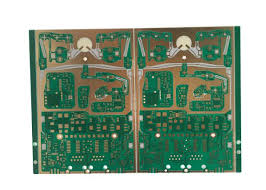
How Do Environmental Factors Impact a PCB Stiffener?
Stiffeners can be attached to a flex or rigid-flex PCB in various ways, depending on the design requirements. For example, if the flex or rigid-flex circuit board requires a high level of thermal stability, a stainless steel stiffener would be ideal. This material is durable and can withstand high temperatures, but it’s also expensive. If your flex or rigid-flex circuit board will require heavy loading, an aluminum stiffener might be a better choice, as it is stronger and more economical.
Regardless of the method you choose, it’s important to perform a thorough Design Rule Check (DRC) before sending your flex or rigid-flex PCB for production. This will identify any clearance violations or connectivity issues that need to be addressed, ensuring that the resulting PCB meets your exact specifications.
PCBs are prone to deformation due to a variety of factors such as the thermal expansion during the soldering process or the mechanical forces exerted during handling. Flexible PCBs, which can bend and flex, often benefit from stiffeners to provide support in the areas where high precision or strain is encountered.
Once your flex or rigid-flex circuit board is designed and ready for production, it’s time to attach the stiffener. First, you’ll need to clean the stiffener surface with isopropyl alcohol and inspect it for defects. Once the stiffener is cleaned, you’ll need to carefully place it on the flex or rigid-flex layer and align it precisely with the area that requires reinforcement. Finally, you’ll need to add vias to the stiffener and flex layers for electrical connection. Once you’ve done this, the flex or rigid-flex circuit board will be ready for manufacturing!