
Can Rigid Flex Printed Circuit Boards Be Used in Consumer Electronics?
Rigid Flex Printed Circuit Boards Be Used in Consumer Electronics
A printed circuit board (PCB) is the vital link between a device’s electronic components. PCBs are used in a wide range of devices that we use every day, from computers and smartphones to medical technology and consumer electronics. However, the type of PCB you choose for your product depends on a number of factors, including cost and flexibility.
One popular choice is a rigid-flex circuit board, which is ideal for applications where both flexibility and reliability are required. These boards are created by laminating together rigid and flexible substrates, giving the design both strength and dynamic adaptability. The rigid parts of the board carry components, while the flex sections serve as interconnection pathways. The resulting product is both sturdy and compact, which makes it suitable for many consumer products.
The main benefit of a rigid-flex printed circuit board is its ability to save space by reducing the amount of connections needed. This allows designers to fit more components into smaller spaces, an important consideration in modern, compact electronic devices. Furthermore, rigid-flex circuits are much more reliable than traditional PCBs because they reduce the number of solder joints and other potential points of failure.
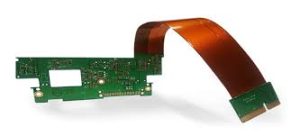
Can Rigid Flex Printed Circuit Boards Be Used in Consumer Electronics?
Rigid-flex circuits also offer significant weight reductions. This is because the flex sections can be bent and folded, which eliminates the need for bulky and expensive connectors and reduces the overall weight of the device. Additionally, a rigid-flex circuit board can be designed to meet strict environmental requirements, such as water resistance and chemical tolerance, which is an essential consideration for consumer electronics.
A rigid flex PCB can also be designed with thinner copper traces that are less likely to warp under pressure. This can be beneficial in situations where the board will be exposed to rapid movement or high temperatures, such as in industrial or commercial equipment.
The flexibility of rigid-flex PCBs also enables the creation of complex three-dimensional geometries, allowing designers to fit electronics into unconventional shapes and contours. This capability is particularly valuable in wearable devices, medical implants, and other compact gadgets where form factor plays a crucial role in user comfort and functionality.
Moreover, rigid-flex PCBs offer enhanced reliability compared to their rigid counterparts, thanks to fewer solder joints and interconnects prone to mechanical stress and fatigue. The seamless integration of flexible substrates reduces the risk of electrical discontinuities and intermittent connections, leading to improved long-term performance and durability.
For example, in the retail business, warehouses use modern electronics to scan and track products as they are shipped to customers. These devices need to be small and portable so that workers can use them comfortably on the floor, yet they need to be durable enough to withstand the harsh conditions of a busy warehouse. A rigid-flex PCB is an excellent solution for this application because it can be easily bent and flexed while remaining stable. Additionally, the flex sections can be folded around components to provide additional flexibility in a tight space.