
great marches in piano transcription
great marches in piano
A great selection of 23 of Sousa’s greatest marches in piano transcription. Included are such favorites as Stars and Stripes Forever (both song edition and piano transcription), The Diplomat, Hail to the Spirit of Liberty, Hands Across the Sea, Imperial Edward, and more. Lester S. Levy selected these favorite pieces for reproduction from his collection of sheet music and has contributed an appreciative introduction. All music in this playing edition is in the Public Domain in the United States.
Marches have long held a significant place in the realm of music, evoking images of grandeur, triumph, and ceremonial splendor. From military processions to formal events, their rhythmic cadences and majestic melodies have captivated audiences for centuries. While traditionally associated with brass bands and orchestras, the art of transcription has brought these iconic marches to the piano, showcasing the instrument’s versatility and ability to capture the essence of these monumental compositions.
One of the most notable composers whose marches have been transcribed for piano is Johann Strauss II, the “Waltz King” of Vienna. His lively and spirited marches, such as “Radetzky March” and “The Blue Danube,” have been skillfully adapted for solo piano, allowing pianists to recreate the energy and elegance of Strauss’s orchestral arrangements. Through nimble fingers and dynamic phrasing, the pianist navigates the intricate rhythms and soaring melodies, transporting listeners to the grand ballrooms and festive celebrations of 19th-century Vienna.
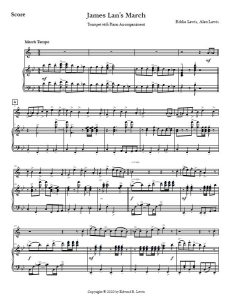
great marches in piano transcription
Another towering figure in the world of marches is John Philip Sousa, whose stirring compositions have become synonymous with American patriotism and musical tradition. Sousa’s marches, including “The Stars and Stripes Forever” and “Semper Fidelis,” exude a sense of pride and honor that resonates deeply with audiences. Transcribed for piano, these pieces retain their stirring character, with the pianist weaving through bold chords and triumphant fanfares to recreate the stirring ambiance of a military parade or national celebration.
Beyond Strauss and Sousa, the repertoire of great marches in piano transcription encompasses a diverse array of composers and styles. From the regal pomp of Edward Elgar’s “Pomp and Circumstance Marches” to the spirited rhythms of Sergei Prokofiev’s “March from ‘The Love for Three Oranges,'” each piece offers a unique glimpse into the cultural tapestry of its time.
In addition to their entertainment value, piano transcriptions of marches serve as valuable pedagogical tools, challenging pianists to master techniques such as articulation, phrasing, and dynamic control. Students of all levels can explore these pieces, honing their skills while immersing themselves in the rich history and musical heritage they represent.
Whether performed in a concert hall, a recital, or the comfort of home, great marches in piano transcription continue to captivate audiences with their timeless appeal and enduring beauty. Through the skillful interpretation of talented pianists, these iconic compositions live on, ensuring that their legacy marches ever forward into the hearts and minds of music lovers around the world.