
The Role of Prefluxing in Wave Soldering for SMT Assembly
Prefluxing in Wave Soldering for SMT Assembly
In the Smt assembly process, a printed circuit board (PCB) serves as a platform for electronic components. Copper traces on the PCB provide pathways for electricity to flow through the circuit. The traces are created through a photolithography process that uses light to etches the desired pattern on the surface of the board.
Once the traces are in place, automated machines can then precisely place surface-mount and through-hole components on the circuit boards. These automated machines use infrared cameras to inspect the placement of each component. This helps ensure that the solder paste is in the correct location and has the right shape and size for optimal performance. If the components are not positioned correctly, the production line will be paused and the engineers will manually touch-up the locations.
Before the soldering process begins, a flux is applied to the smt assembly. This helps to clean the surfaces of the pads and component leads and remove any oxidation that could hinder proper wetting. It also protects the PCB from thermal shock and oxidation during the wave soldering process.
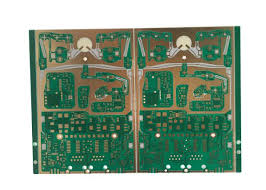
The Role of Prefluxing in Wave Soldering for SMT Assembly
Once the flux is applied, the PCB goes through the preheating zone. During this stage, the temperature of the PCB gradually increases until it can safely meet the molten solder without suffering from thermal shock. This step also allows the solvents in the flux to evaporate, which is important for ensuring that the PCB enters the wave soldering zone at the correct temperature.
The next step is the soak phase, during which the PCB remains at the highest temperature for a set amount of time. This is done to ensure that any areas of the circuit board that were missed by the soldering wave due to shadowing are brought up to the appropriate temperature. This phase is also crucial for preventing solder bridging, which occurs when excess solder connects adjacent pads or leads and can lead to short circuits.
Once all components are in place, the assembly undergoes a reflow soldering process. During this phase, the PCB is passed through a reflow oven, where it is heated to a temperature sufficient to melt the solder paste. The molten solder forms strong electrical and mechanical connections between the components and the PCB. Reflow ovens are designed to control temperature profiles precisely, ensuring uniform heating and cooling to prevent defects such as solder bridging or cold joints.
The last step is the quenching phase, during which the PCB cools down quickly. This helps to prevent the formation of heat-resistant oxides on the metals in the solder joint and helps to prevent cracking or distortion of the PCB. The quenching phase is especially critical for through-hole components because it is the only way to ensure that they will make a good electrical connection with the underlying metal. It is also an essential step for ensuring that the solder joints are strong and durable.