
What applications commonly use PCB rigid flex?
applications commonly use PCB rigid flex
Rigid-flex PCBs are an essential piece of hardware for a range of electronic devices, from handheld monitors and medical imaging equipment to weapon guidance systems and other military/avionics components. Using rigid flex can reduce manufacturing costs by lowering the number of contact crimps, solder joints, and connectors needed to make the device work. Moreover, it can improve durability and reliability by allowing for fewer points of failure. Rigid-flex circuits also take up less space than other kinds of printed circuit boards and can be easily assembled, making them a great option for a variety of applications, environments, and industries.
However, deciding whether or not to use PCB rigid flex depends on many factors. These include the type of environment, industry, and device for which you need a PCB, as well as its current-carrying capacity and ability to handle heat generation or mechanical stress. It’s important to consult with a PCB company that has extensive experience with rigid-flex technology and can help you determine the best construction for your project.
pcb rigid flex uses both rigid and flexible components to create a multi-layer circuit board. They are bonded together with lamination processes, such as heat and pressure, to form a strong, durable assembly. In addition, they can be drilled with precision to create plated through holes and vias for component placement. These holes are then plated with copper to provide electrical connections.
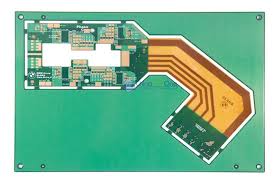
What applications commonly use PCB rigid flex?
Rigid flex PCBs can be made from a wide range of materials, including copper foils and polyimide. However, copper is typically preferred due to its versatility and workability. Foils are typically treated with chemicals to enhance their longevity, decrease bond degradation, and augment adhesion. These treatments are especially crucial when working with rigid-flex circuits, as the material is able to withstand constant movement and vibrations, which can cause normal wear and tear.
A rigid-flex circuit must be designed for manufacturability, which includes following strict design standards and working with a reputable fab house. A good manufacturer will be able to help you with this process by asking you questions about the specifications and features of your PCB and providing detailed reports on the production and testing of your final product. They’ll be able to recommend the best construction options for your design and advise you of any risks or issues that could impact performance, durability, and cost.
The first step in designing a pcb rigid flex is to choose the appropriate material. Rigid-flex PCBs can be made from various types of materials, but polyimide is typically preferred. This material is flexible and durable and offers excellent heat resistance, which is critical for most rigid-flex designs. It is also available in different thicknesses and weights to accommodate a range of applications.
Another important decision is the thickness of the rigid-flex PCB’s traces and the layer count. The higher the layers, the more complex and expensive the board will be to produce. High-quality rigid-flex PCBs can have up to 24 layers, although more is possible depending on the design. A high-layer count increases the cost of lamination, etching, and drilling. You should also consider whether you’re going to require selective plating or a dual surface finish, as this will add to the overall cost of your product.